Stone Depot
Geological Resources
and Historical Use
The Gurktal Alps contain numerous marble deposits, which are largely no longer exploited today. In medieval times, the marble formations west of the town of Friesach were used for construction purposes (“Friesach Marble”).
Current Supply for
the Castle Construction Project
For the ongoing construction of the castle in Friesach, the building stone is currently delivered from the municipality of Metnitz (Teichlgraben quarry).
Stone Extraction
and Construction Logistics
Traditionally, stone was quarried in the surrounding area. In the Middle Ages, great care was taken to ensure that sufficient building materials were available in close proximity to the construction site – including stone, timber, sand, gravel, clay, and water. The efficient and uncomplicated procurement of materials, together with short and cost-effective transport routes to the building site, was essential for smooth and rapid construction progress.
It is known that transporting dimension stone by horse-drawn carts over a distance of around 18 km could double the overall cost of production.
Delivery and Working of Stone
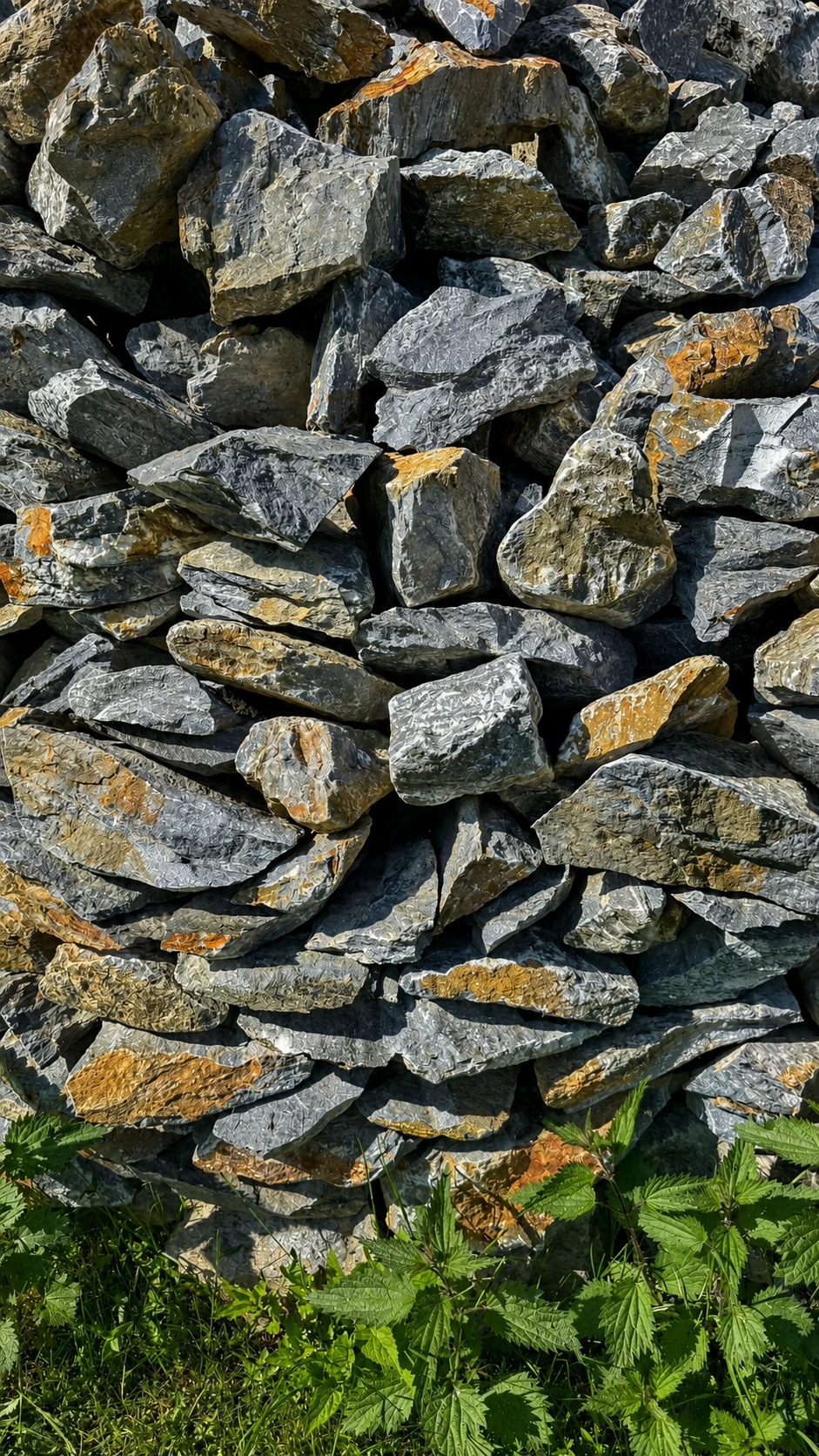
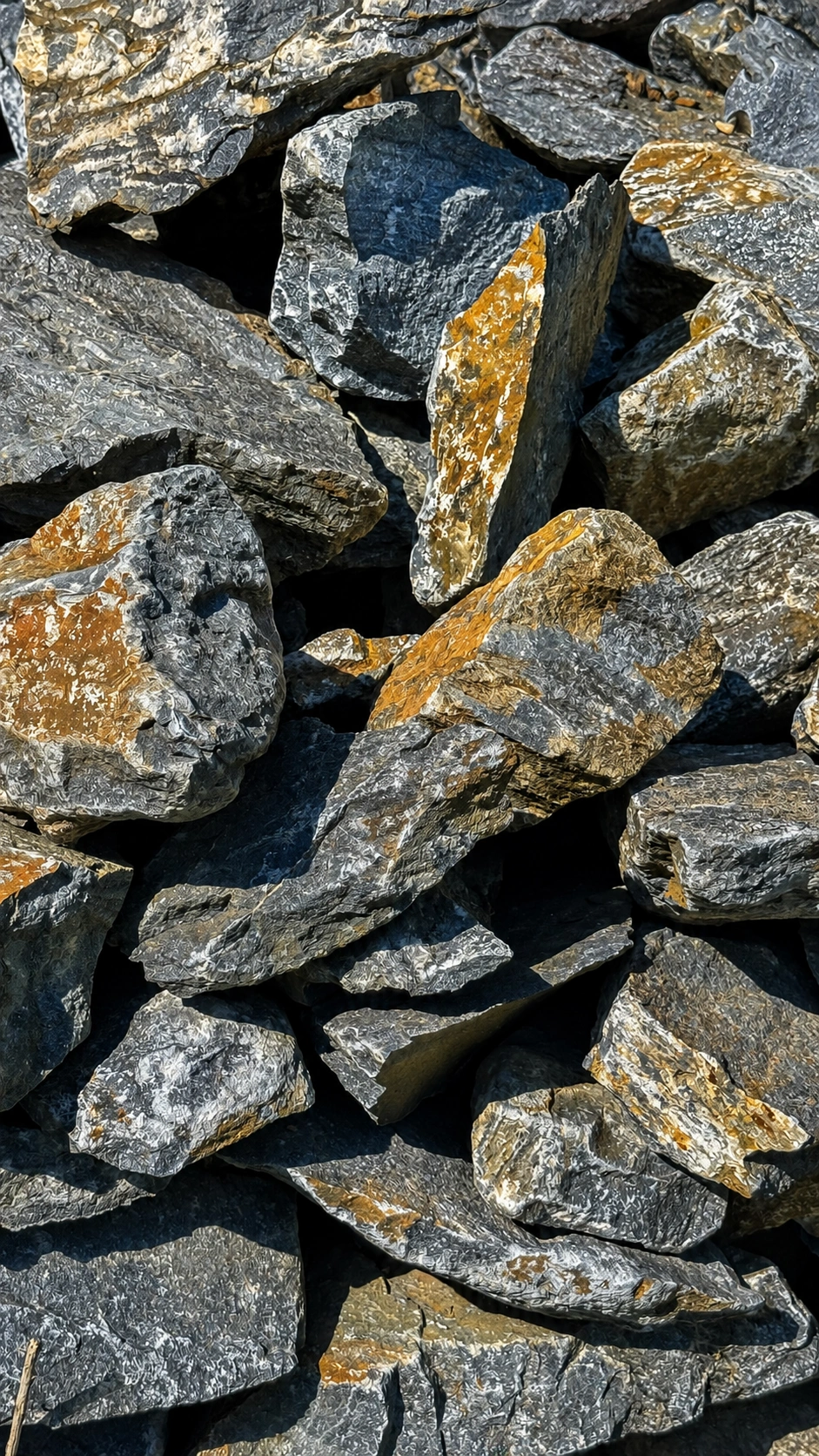
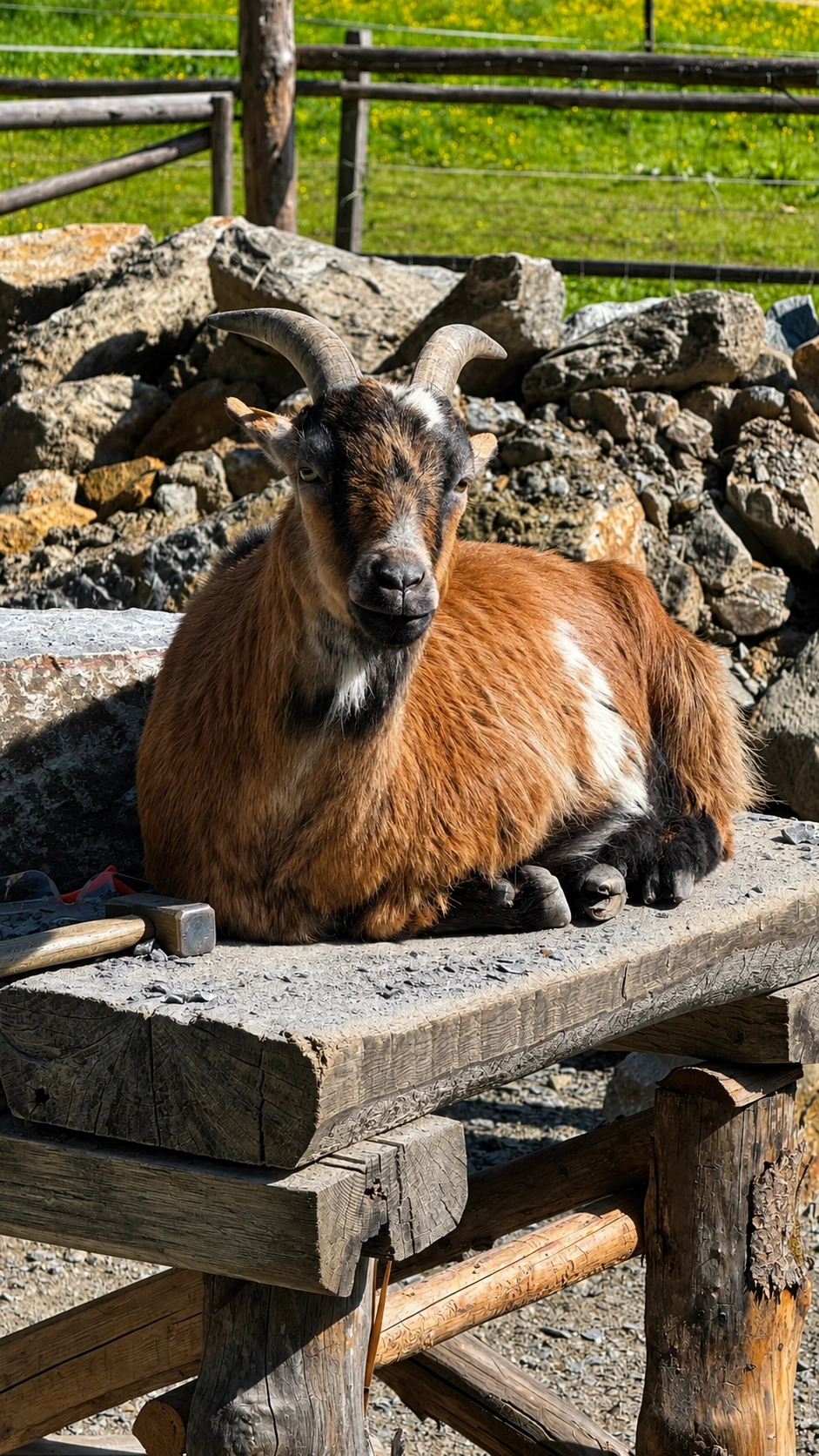
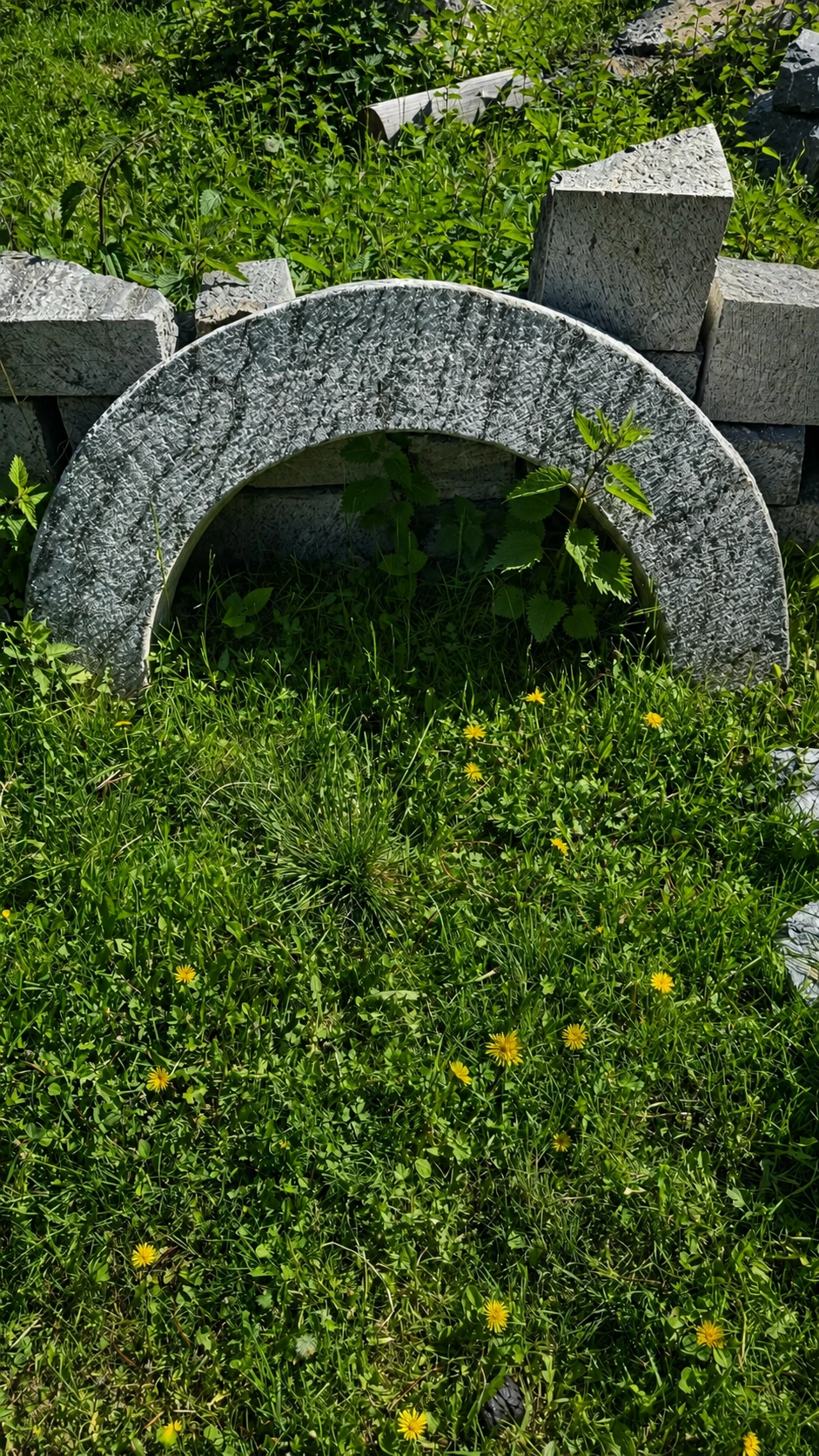
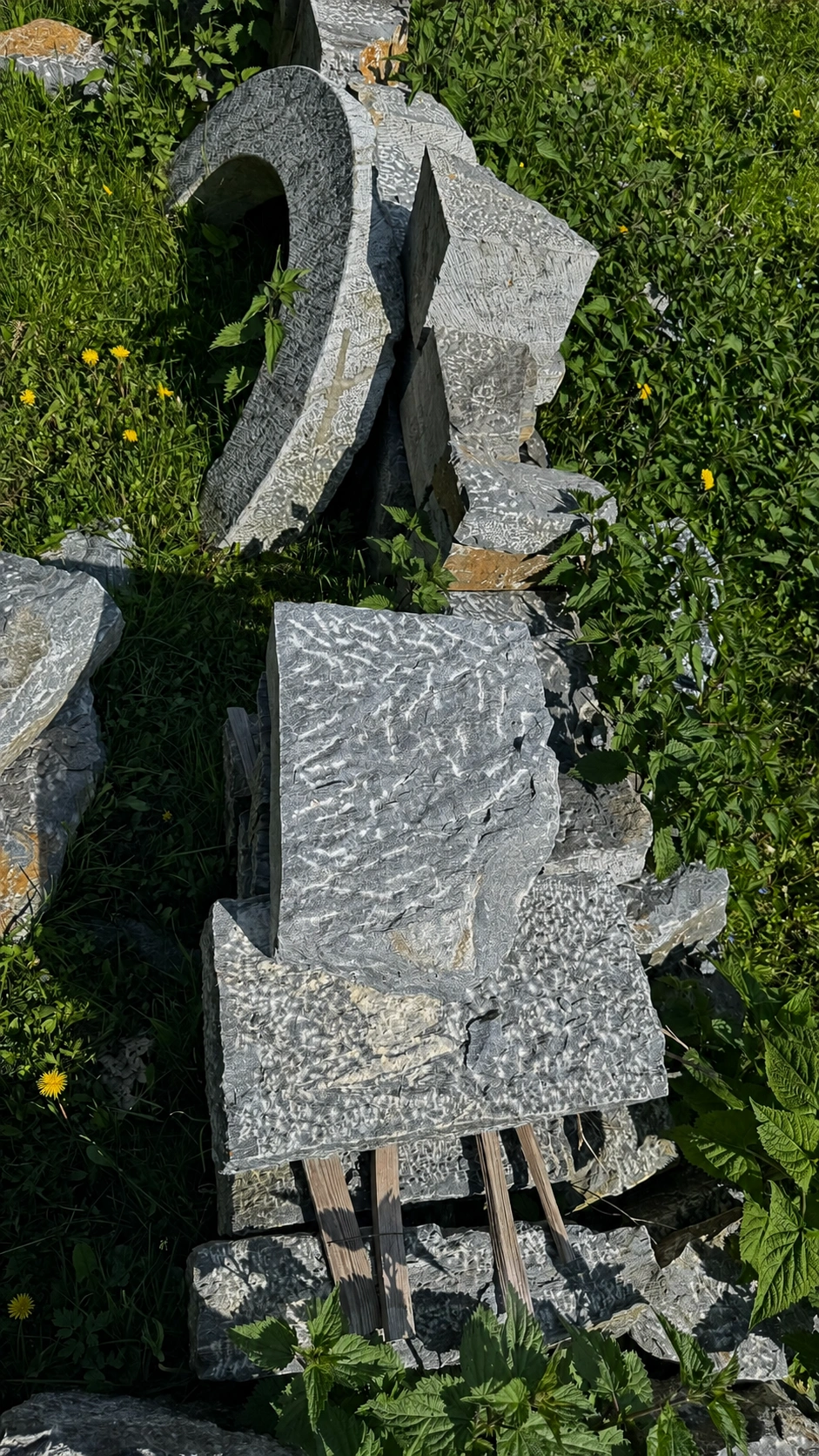
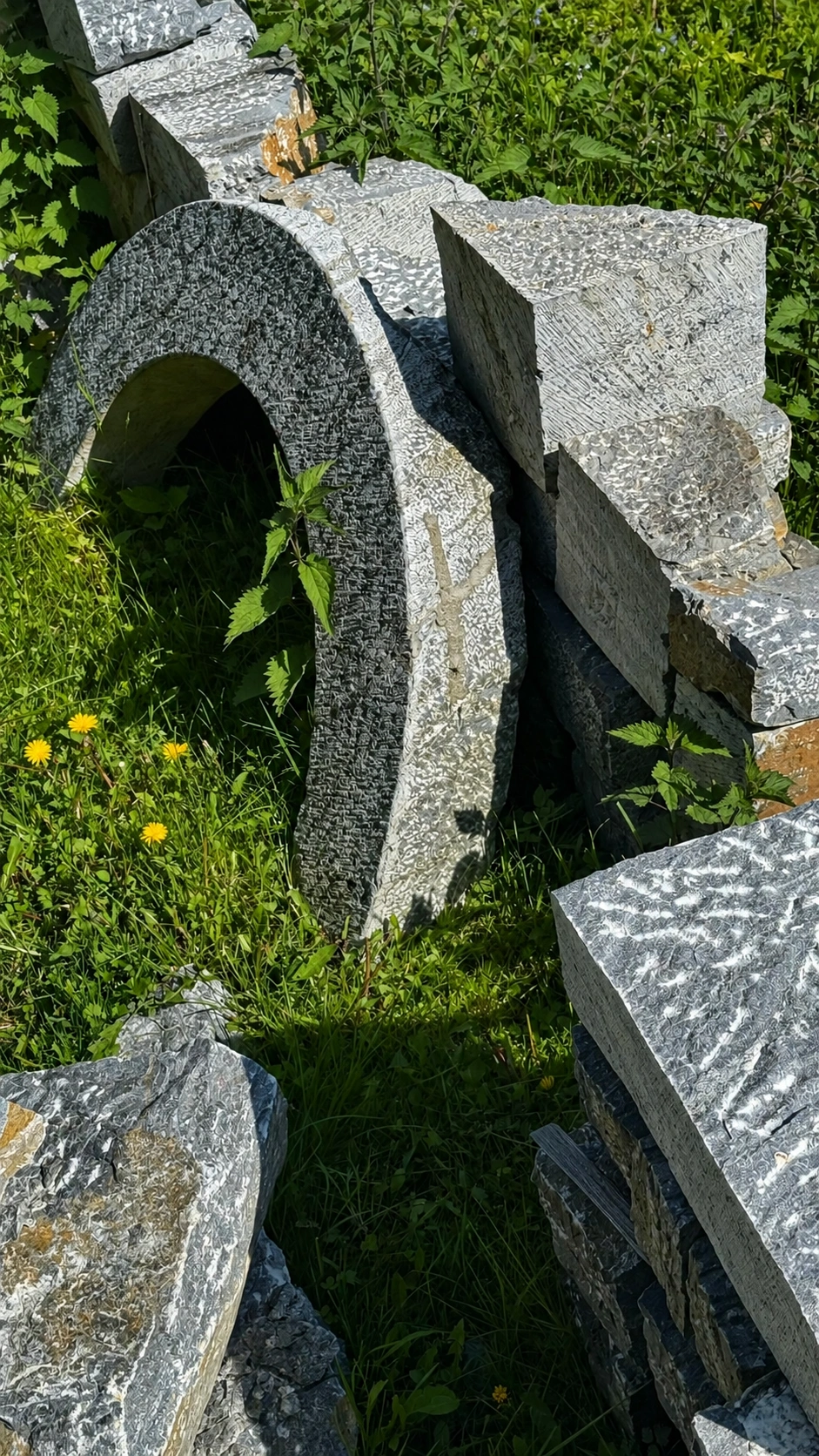
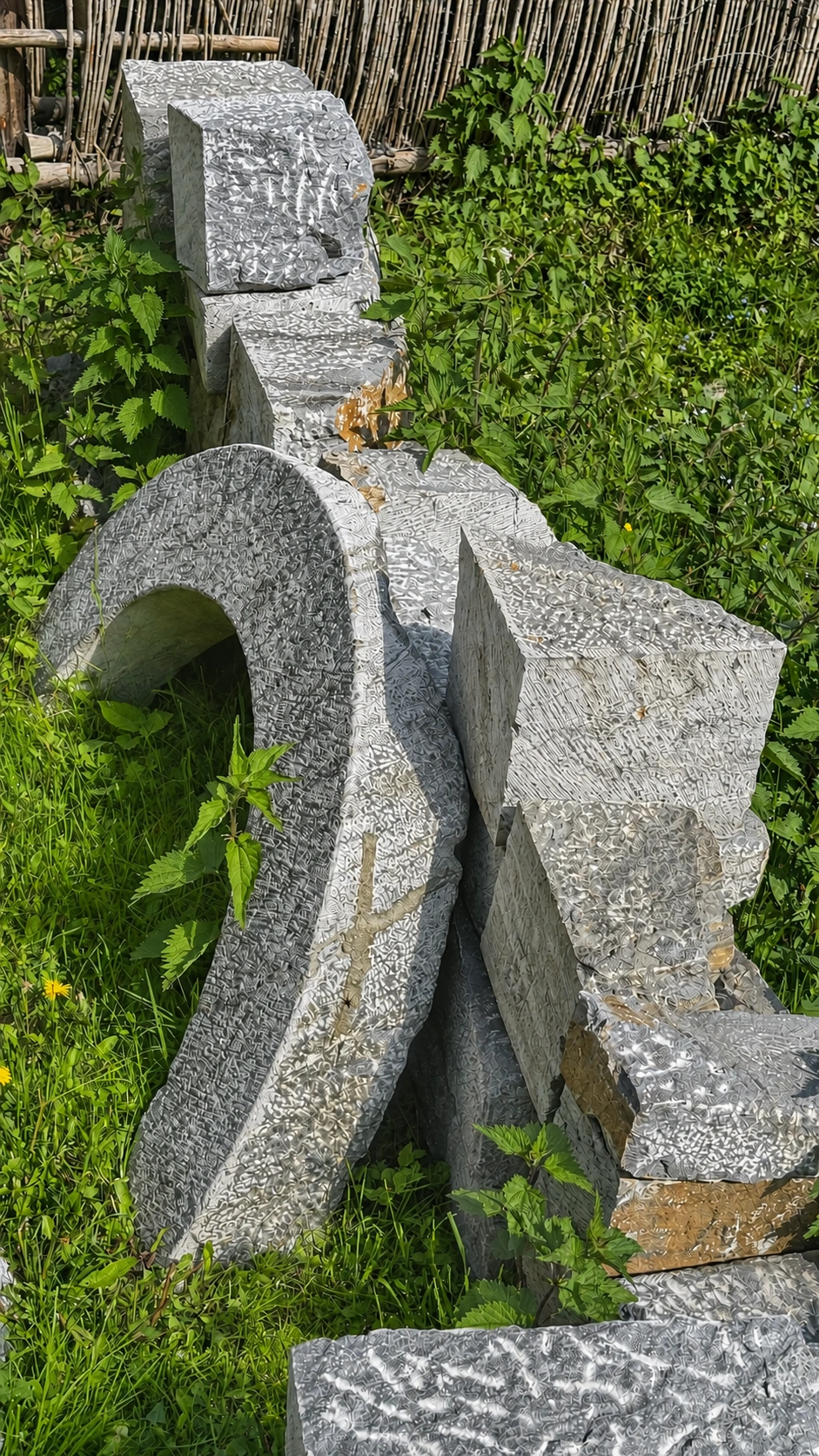
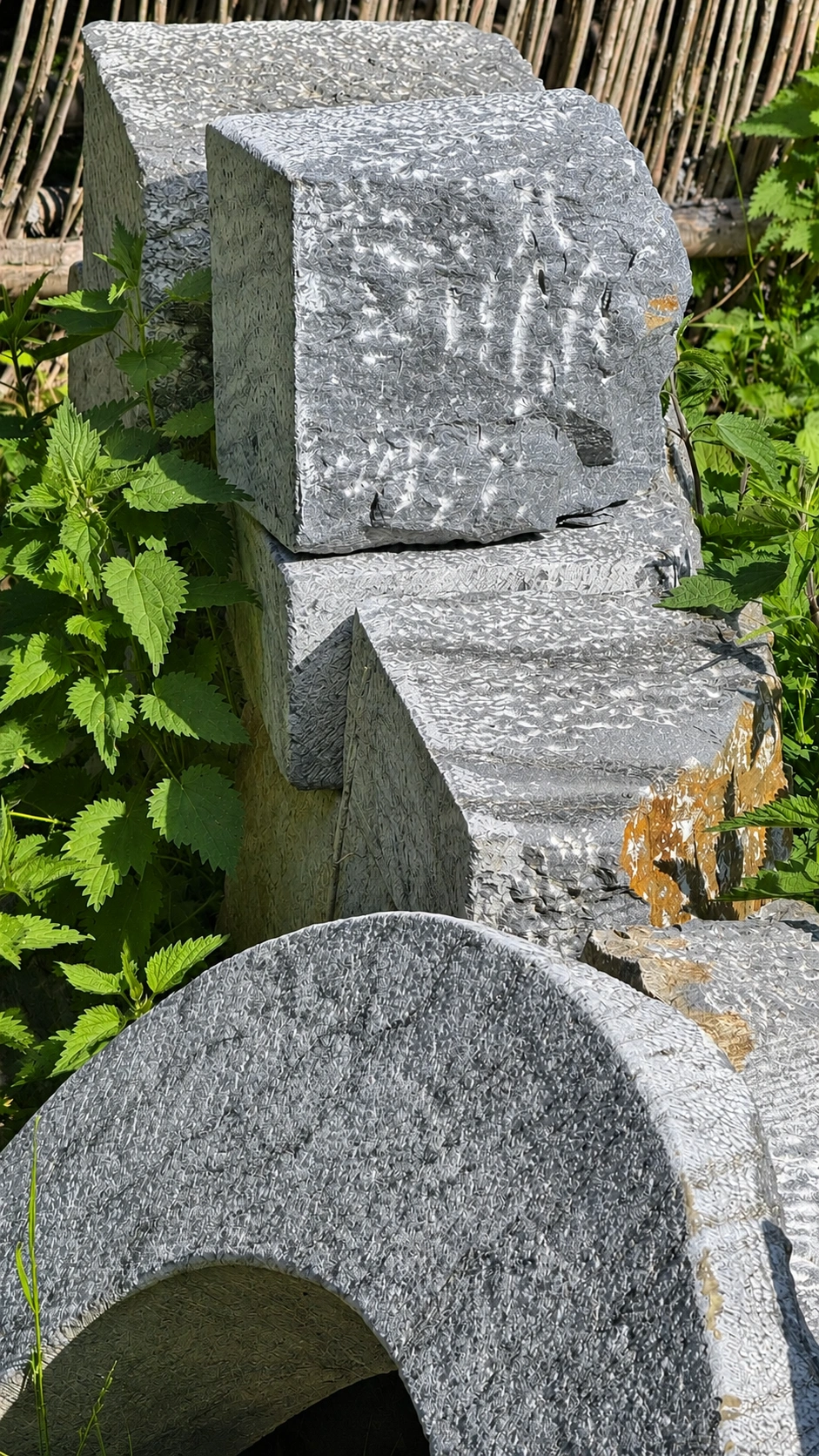
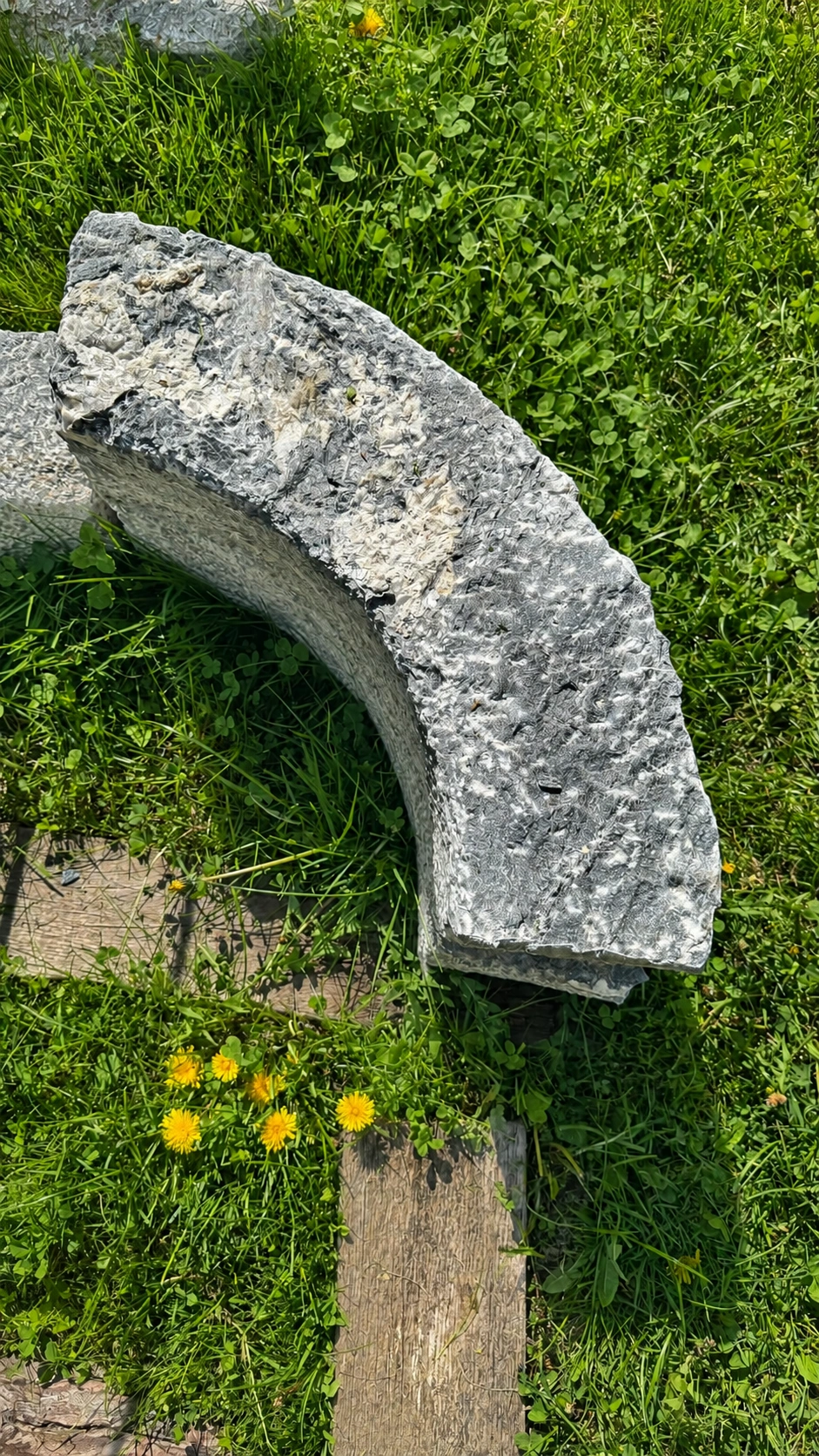
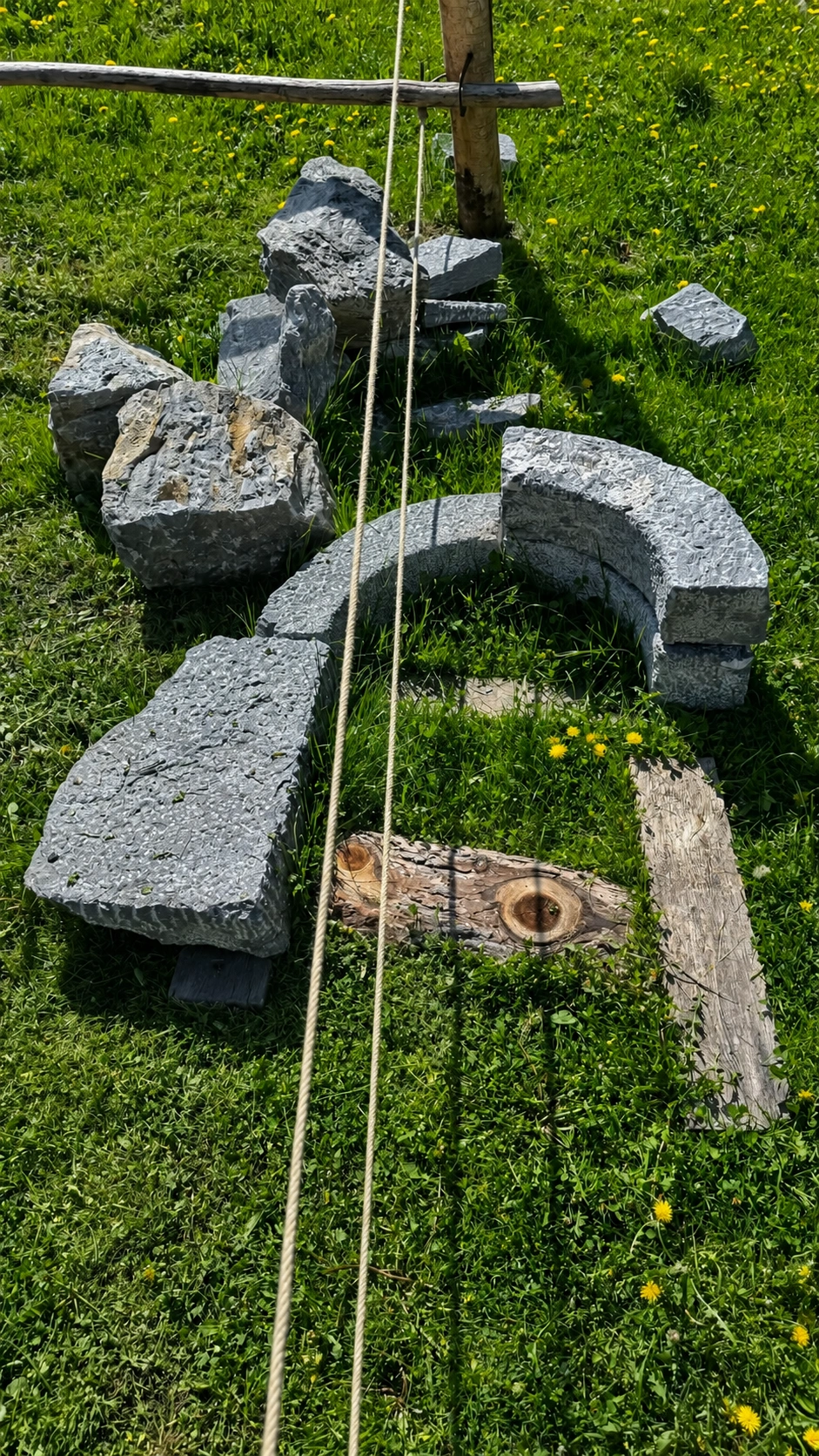
At the castle construction site, irregularly sized rubble stone (up to 400 kg) is delivered by modern lorries. For processing, standard stone-working tools and a stone hammer (5–7 kg) are used to reduce overly large blocks to a manageable size.
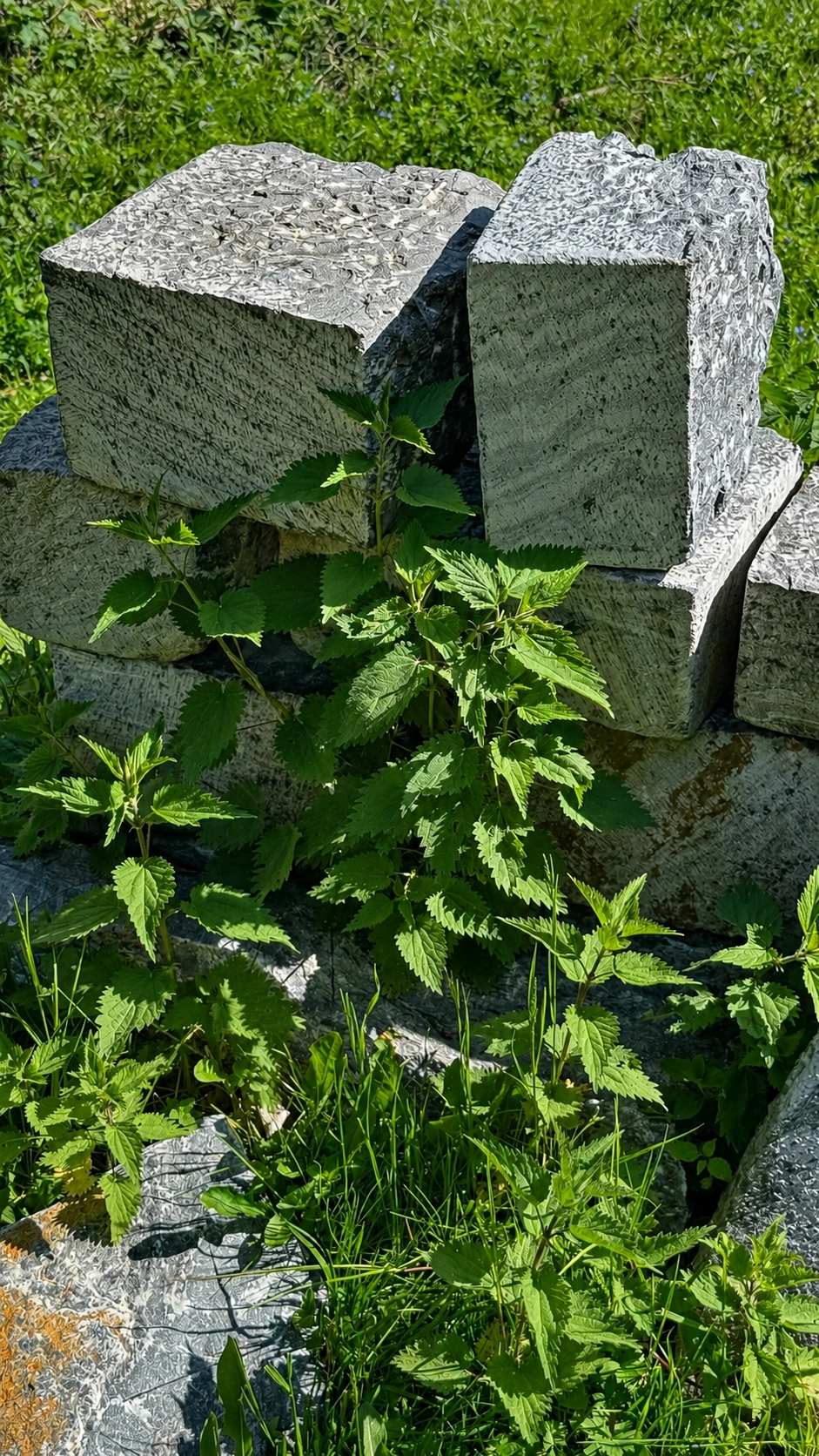
The form of the stones is shaped by the natural layering of the rock and the method used to extract them in the quarry. The way the material naturally fractures has a strong influence on their final appearance. In addition, the stones are “dressed”: they are not only broken, but further shaped in an additional stage of work, mainly using a stone hammer.
Principles of Masonry Construction
and Material Use
However, the face and inner surfaces of the stones must not be worked. This method ensures that the bedding and jointing surfaces remain relatively smooth, making the mason’s work easier and improving the visual appearance of the wall. This technique is known as “hammer-dressed masonry”.
During the first 15 years of the project, approximately 3,000 tonnes of rubble stone were delivered and processed. The resulting waste stone material is reused to fill and stabilise the inner core of the rubble masonry.